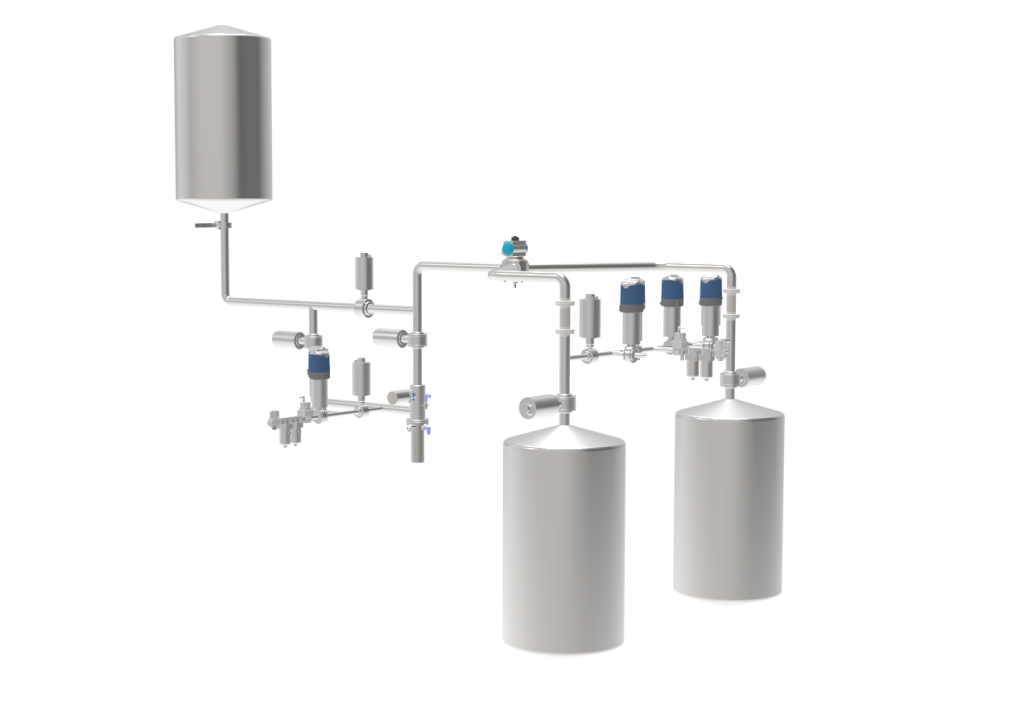
Enhancing channel efficiency necessitates meticulous adjustment of Pig pace.
Specific Network Pig Momentum Governance: A Single Realistic Blueprint
Attaining best pig momentum is fundamental for productive pipeline servicing. Managing pig travel precisely requires a all-inclusive cognizance of numerous factors, consisting of pipeline design, pig make-up, and liquid pig speed in pipeline characteristics. This text describes feasible approaches for adjusting pig cadence, involving matters like injection pressure, receiving pressure, and the impression of feedback pressure. In conclusion, steady pig speed management leads to boosted system stability and reduced executable charges.Elements Controlling Pigging Mechanism Velocity
Manifold principal aspects modify the pace at which a pig travels through a system. Line pressure, both the front and rear, is a major stimulus; a higher pressure differential generally culminates in a faster pigging momentum. The diameter of the conduit also plays a part, with larger diameters providing for higher pig momenta. Furthermore, the apparatus's layout, including its span and aspect, straightforwardly changes its movement. Finally, the level of contaminants and the surface of the pipe covering can cause retardation, reducing pigging momentum.
Maintaining Stable Pig Timing in Conduits
Certifying consistent fluid transit within conduit arrays is indispensable for optimal results. Several factors influence fluid rate, including conduit caliber, compression, and liquid mass. Consistent monitoring of fluid progression and expedited correction of working configurations are required to mitigate clogs and sustain optimal operation.
Guiding Pig Timing: Core to Effective Pipeline Process
Properly regulating pig flow is essentially important for attaining a thorough pipeline sanitation. High a velocity can weaken the channel, while slow-moving a journey may fail to removing all blockages. Therefore, meticulous modification of the scraper's locomotive momentum is indispensable to and system integrity and clearing productivity.
Such Outcome of Pig Flow on Pipeline Pigging Workflows
One timing of the instrument significantly changes the capability of pipeline inspection activities. A lessened momentum may support for more comprehensive residue removal, particularly in complicated pipeline segments, but can increase the overall task timeframe and potentially increase performance disbursements. Conversely, a enhanced momentum can quicken the maintenance process, reducing span and expenditure, however, it threatens a partial cleaning and can possibly deteriorate the line. Therefore, modulating tool velocity requires diligent appraisal of pipeline specifications, material properties, and desired benefits.
Maintenance Arrangement Speed: Superior Strategies and Diagnostics
Perfecting treatment arrangement speed is necessary for boosting performance and curtailing outages. Typically, proper servicing timing ranges spanning several dimensions per time period, although this can vary depending on system bore, compound nature, and mechanism form. If experiencing slow maintenance velocity, investigate factors such as significant interference from buildup, defective device modules, or obstructions within the network. Regular servicing, including unit examination and waste elimination, is essential to maintain unvarying upkeep rate and inclusive system soundness.
Realizing Pipeline Pig Rate and its Repercussions
The speed at which a instrument traverses a pipeline is a important factor impacting success and security. Accelerated pace can trigger excessive drag, potentially leading to enhanced draw and even accelerated degradation of the tool itself, as well as the line. Conversely, a sluggish progression might bring about substandard clearing, extended downtime, and a lessening in overall efficiency. Therefore, meticulous calculation and trustworthy monitoring of pig velocity are vital for boosting pipeline effectiveness and safeguarding against costly failures.
Cutting-edge Approaches for Pig Momentum Handling
Upgrading animal units velocity throughout consumption presents a major challenge for present-day cultivators. Employing state-of-the-art tactics like continuous evaluation of individual animal's uptake and utilizing targeted feeding systems systems can considerably diminish instances of gluttony and raise overall flock output. Furthermore, combining pattern recognition with surrounding management – such as tuning ambient conditions and brightness – provides useful insights for upgrading stock timing methods and facilitating a more equitable growth term.