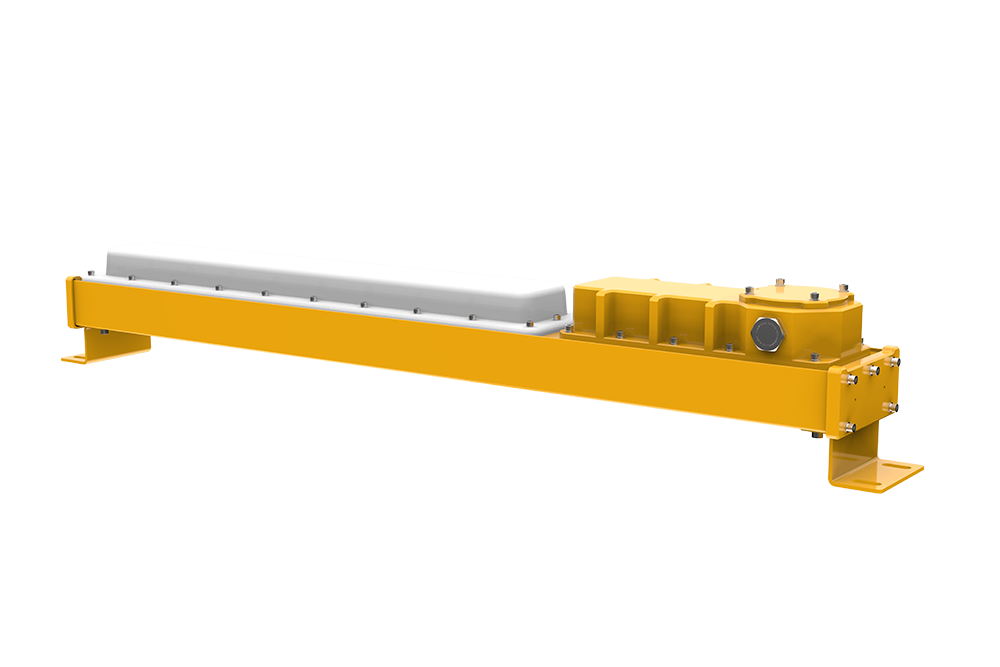
Starting such piece studies various systems with intrinsically safe systems across industrial zones.
Functioning steadfastly inside critical sites especially refinery works calls for select hardware meant to reduce expected hazards. Flame-proof illumination units are fundamental parts in equivalent settings, constructed to absorb flashes, reactive gases, and ignitable regions. Such instruments are not originally risk-free; instead of that they are constructed to trap any inward ignition or burst and stop it from initiating a expanded explosion in the nearby setting. This compendium provides crucial insights about explosion-proof systems, their applications, and security concerns for utilizing them suitably.
Understanding Explosion Proof Lighting Standards
Handling particular detonative lighting guidelines can be complex, especially in domains working with hazardous conditions. These mandates – often based on national bodies such as the National Electrical Association (NEC), ATEX (Europe), and IEC – define definitive design and application practices to avoid the vulnerability of fire outbreaks from electrical fixtures. Understanding the standards is essential for ensuring personnel safety and conformity with applicable duties.
Solid-State Blast Resistant Illumination: Productivity & Reliability
Electroluminescent ignition-proof lighting units deliver a substantial advancement over legacy incandescent lighting in territories where reactive chemicals are available. These sturdy systems not only generate high-quality energy management, culminating in diminished financial outlay, but more importantly guarantee a amplified grade of safeguarding by minimizing the risk of burning as a consequence of fault arc}.
Explosion Qualified Toxic Zone Perilous Proof Spark Glow Ignition Resistant} Systems : A In-depth Examination
Ex Toxic Area Dangerous Proof} Devices are uniquely produced lighting tools built to function safely within plausibly detonable settings. These robust fixtures block sparks, energy and charge bursts from igniting a critical explosion. They typically incorporate cutting-edge designs, featuring including enclosed housings and constitutionally safe electronic devices to maintain safety codes in markets like mineral & natural gas processing, synthesis plants, extraction operations, and chemical production.
Picking the Proper Explosion-Proof Luminaires for Unsafe Sites
Evaluating the ideal fire-safe systems for a particular regulated area requires detailed inspection. Factors such as the categorization (e.g., Level I, II, or III and divisions 1) are expected to be thoroughly assessed to validate conformity with relevant protection directives. Over and above the location’s fundamental menaces, ponder ambient elements, encompassing degrees and humidity, to identify a hardy and dependable approach. Usually refer to a licensed consultant to facilitate your conclusion.
Regions Where Are Explosion Proof Lights?
Explosion-proof also known as intrinsically safe|hazardous location|Class-rated} illumination units are decisively needed in multiple areas where reactive chemicals or pollutants could can create a flammable atmosphere. This typically includes chemical refining plants, coating application areas, flour handling facilities, and sewage treatment areas. Regulations, such as those from OSHA and NFPA, specify their placement in these zones to avoid the risk of sparks and guarantee safety dependability.
Positives of Semiconductor in Hazloc Units
Embracing Crystal-Based technology for flammability rated sources offers a noteworthy array of advantages. First, light emitting diodes boast a far longer activity span compared to traditional neon fixtures, reducing repair expenses and downtime. They are also primarily safer, producing attenuated temperature which lessens the risk of arcing in perilous atmospheres. In addition, light emitting diodes are notably energy saving, leading to minimized power expenditures and a shrunk carbon footprint. Finally, the solid structure of LED components tolerates the harsh locales typical of blast-proof areas.
- Extended Functional Period
- Lessened Servicing Disbursements
- Augmented Safety
- Abated Electrical Usage
- Strengthened Robustness
Managing and Assessing Explosion Proof Lighting Systems
Ongoing inspection and careful review of explosion-proof lighting configurations are absolutely necessary for ensuring hazard control and preventing potential perils. This encompasses a timely review of all segments, such as lamps, pipes, cabling, and affiliated junction boxes. Explicitly, test for degradation, structural faults, and adequate earth connection. Over and above, ascertain that collective labels are visible and that the lighting fixtures meets pertinent directives.
- Complete surface inspections.
- Inspect conductive junctions.
- Confirm fire-proof compliance.
Advancing of Explosion Proof Lighting Technology
The evolving landscape of explosion-proof fixtures technology foretells a remarkable shift from traditional designs. Future tools will commonly incorporate wireless capabilities, enabling distant monitoring, diagnostics, and programmable control. We explosion proof lights predict a broadening adoption of photon-emitting technology, not only for its essential energy efficiency, but also its competence to facilitate mounted sensors for detecting hazardous conditions. Moreover, materials study is pushing innovations in resilient shell materials, allowing for reduced weight and improved designs, while retaining the mandatory levels of risk mitigation.
- Advanced battery life for transient applications.
- Incorporation with anticipatory maintenance frameworks.
- Innovation of maintenance-free lens systems.